Technical Resource
Rotary Gear Pumps in Explosives Manufacturing & Mining Operations
Why Rotary Gear Pumps Excel in Explosives & Mining Applications
Explosives manufacturing and mining operations demand pumps that deliver consistent, predictable flow. Emulsion explosives are complex suspensions of fuel, oxidizer, and sensitizing agents: any turbulence or flow inconsistency risks ingredient separation, product degradation, or safety incidents. Rotary gear pumps are engineered for this demanding duty.
NAPCO has supplied pumps to explosives manufacturers and mining operations for over 30 years. Our experience in this sector informs every design decision for reliable, field-serviceable equipment.
- Consistent Flow Rate: With positive displacement, flow is near-constant regardless of viscosity or pressure: critical for uniform product batching.
- Corrosion-Resistant Construction: stainless steel PA-S models resist ammonium nitrate attack, with high- and low-pressure Viton seals containing the fluid: a safety and environmental priority in mining.
- Wide Viscosity Tolerance: Handles temperature-induced viscosity swings (cold winter emulsions to heated batches) with predictable flow.
- Bi-Directional Capability: Reverse flow enables system flushing and cleanup without additional valving or equipment.
- Field Serviceability: Repair kits enable on-site maintenance at remote mining locations, eliminating costly downtime during critical blasting seasons.
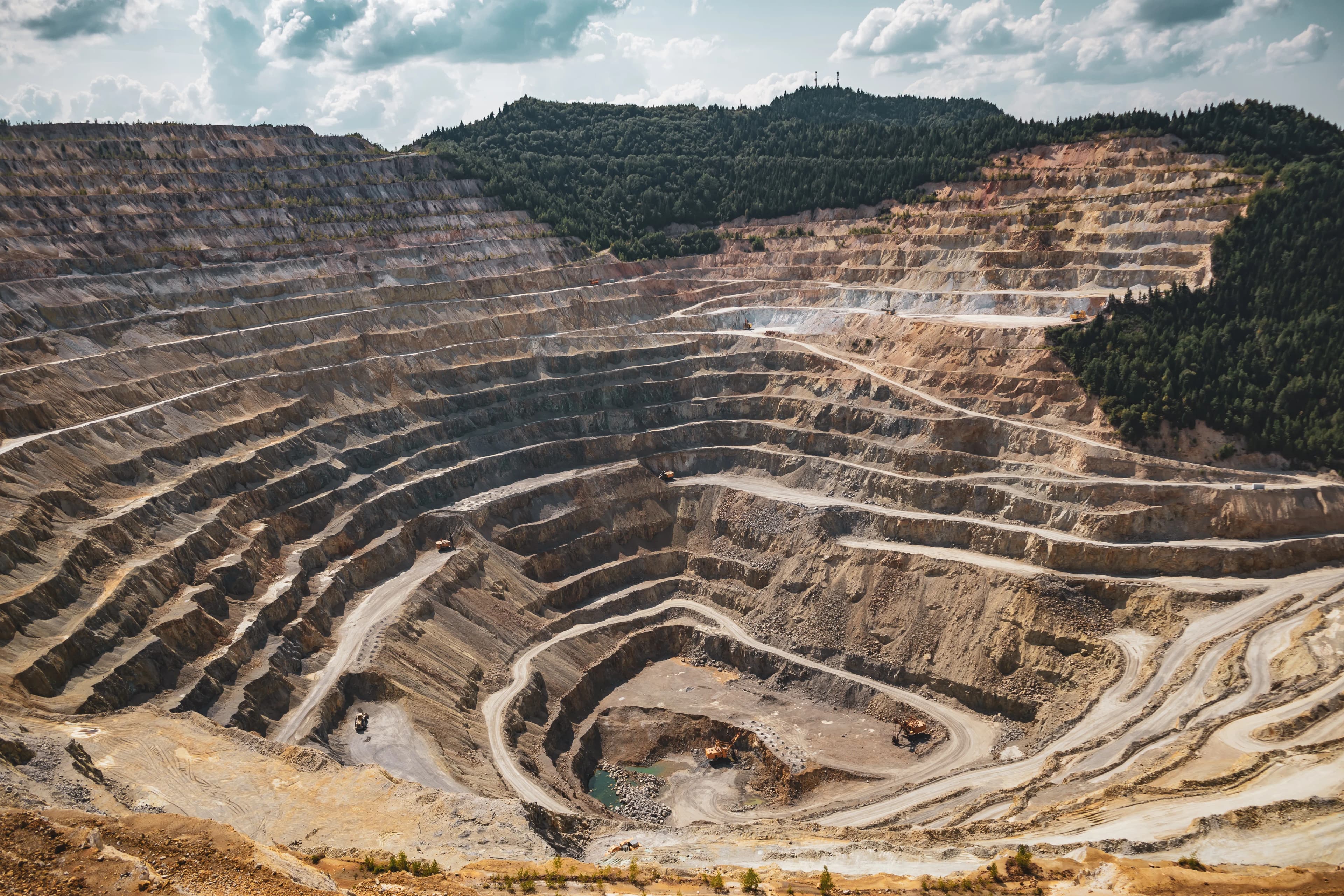
Remote mining operations require field-serviceable pumps for rapid maintenance and minimal downtime.
Understanding Emulsion Explosives & Viscosity Control
Emulsion explosives combine fuel oil, ammonium nitrate, water, and sensitizers into a stable suspension. Product consistency is critical to performance, safety, and regulatory compliance. Unlike ANFO (loose-mix blasting agent), emulsions require precise proportioning and gentle mixing to prevent ingredient separation or foam generation.
Viscosity as a Function of Temperature
Emulsion viscosity varies dramatically with temperature. A pump selected for summer flow rates may cavitate and stall in winter; conversely, winter-rated motors are oversized and inefficient in summer.
Rotary gear pumps solve this problem: displacement is fixed by physical geometry, so flow stays near-constant across temperature-induced viscosity swings. Motor load increases with cold-weather high-viscosity operation, but pump flow remains predictable for batching.
Why Turbulence Damages Emulsions
Centrifugal pumps generate high turbulence and shear forces to move fluid. In emulsion applications, this turbulence destabilizes the suspension, causing emulsifier breakdown, oil separation, and foam formation. Over time, separated oil floats to the tank surface while solids settle: the resulting batch is unusable.
A gear pump moves emulsion by positive displacement rather than by high-speed impeller action.
Explosives & Mining Application Challenges
Explosives and mining operations present unique environmental and operational demands on pump equipment.
Remote Location & Field Serviceability
Mines and blasting sites operate hundreds of miles from service centers. Equipment downtime cascades into idle trucks, delayed production, and lost revenue. A pump failure during peak blasting season could idle an entire operation for weeks if factory rebuild is required. NAPCO’s field-serviceable design means operators stock repair kits (gear sets, seal kits) at the job site and complete maintenance in hours, not weeks.
Harsh Outdoor Environments
Outdoor mining sites expose equipment to UV, salt spray (coastal mines), mining runoff with dissolved minerals, and temperature extremes. Ductile iron pumps suit factory-controlled environments but corrode rapidly in harsh outdoor service. Stainless steel pumps (PA-S, PK-S series) resist corrosion and maintain reliability across seasons.
Bulk Loading & Truck Fill Cycles
Explosives trucks must be loaded and departed within time windows defined by safety protocols and regulatory compliance. Slow fill rates extend truck dwell time and reduce daily throughput. High-displacement pumps (PA300 series) fill trucks faster, reducing logistics costs and safety exposure.
Preventive Maintenance & Reliability
Mining operations cannot afford surprise failures during critical production windows. Establish preventive maintenance schedules: check seal condition quarterly, monitor for external weeping at the high- and low-pressure seals, flush bulk tanks annually to remove settled solids that damage gears. Field kits enable rapid component replacement before catastrophic failure.
Material Selection: Ductile Iron vs. Stainless Steel
NAPCO offers both ductile iron and stainless steel pumps for explosives service. Selection depends on environmental conditions and service location.
Stainless Steel Pumps (PA-S, PK-S Series): Standard for Emulsion
Best for: Emulsion explosives and ammonium nitrate solutions, outdoor mining sites, coastal operations, harsh weather exposure, extended equipment life.
Ammonium nitrate-based emulsions are corrosive to ductile iron, which is why stainless steel is the standard housing material for this industry. Stainless also resists salt spray, mining runoff, acidic groundwater, and atmospheric oxidation: choose it for any pump handling emulsion or exposed to the elements for years.
Ductile Iron Pumps (PA-C, PK-C Series): Support Fluids
Best for: Non-corrosive mining support fluids (fuel oil, diesel, lubricants, waste oil) and cost-sensitive duty away from ammonium nitrate contact.
Ductile iron provides excellent strength and machinability at lower cost than stainless steel, making it the right choice for the petroleum-based fluids that keep a mine site running. Do not use ductile iron in direct ammonium nitrate emulsion service.
Seal Design
NAPCO pumps use high-pressure and low-pressure Viton seals to contain the pumped fluid. Both seal sets are included in every factory-matched repair kit, so seal replacement is part of a normal field rebuild: no special tooling or factory return required. Quarterly seal inspection catches wear before it becomes leakage, which matters in safety-critical explosives operations.
Pump Selection for Explosives & Mining Applications
NAPCO offers four pump models suitable for explosives and mining duty. Selection is driven by required flow rate, available head pressure, and environmental exposure.
PA300 Series: High-Volume Bulk Plant Loading
The PA300S (stainless steel, standard for emulsion) or PA300C (ductile iron, for support fluids) delivers 158 GPM at 280 RPM, making it ideal for bulk plant operations and truck loading. At this displacement, loading cycles are minimized and logistics are optimized. Pressure capability to 100 PSI enables elevated loading (overhead hoppers) or forced-circulation heating systems.
Specifications: 158 GPM @ 280 RPM / 10 PSI, 140 GPM @ 100 PSI, 100 PSI maximum tested pressure, ~13.4 brake HP at 100 PSI.
Applications: Bulk plant transfer, truck loading, continuous production lines, high-throughput manufacturing.
PA200 Series: Moderate Flow & Field Applications
The PA200C or PA200S delivers 69 GPM at 190 RPM, suitable for smaller batch operations or skid-mounted equipment. This size is transportable and flexible: ideal for temporary site installations or contractor-owned equipment.
Specifications: 69 GPM @ 190 RPM / 10 PSI, 100 PSI maximum tested pressure, ~5.7 brake HP at 100 PSI.
Applications: Portable loading units, small batch operations, field transfer, skid-mounted systems.
Repair Kits (PK300, PK200 Series)
NAPCO supplies factory-matched repair kits for both pump series. Keep kits in stock at remote sites to enable rapid on-site maintenance without factory shipping. A complete rebuild (typically 2–5 hours for a trained technician) restores pump performance to like-new condition.
Explore NAPCO repair kits for detailed kit contents and ordering information.
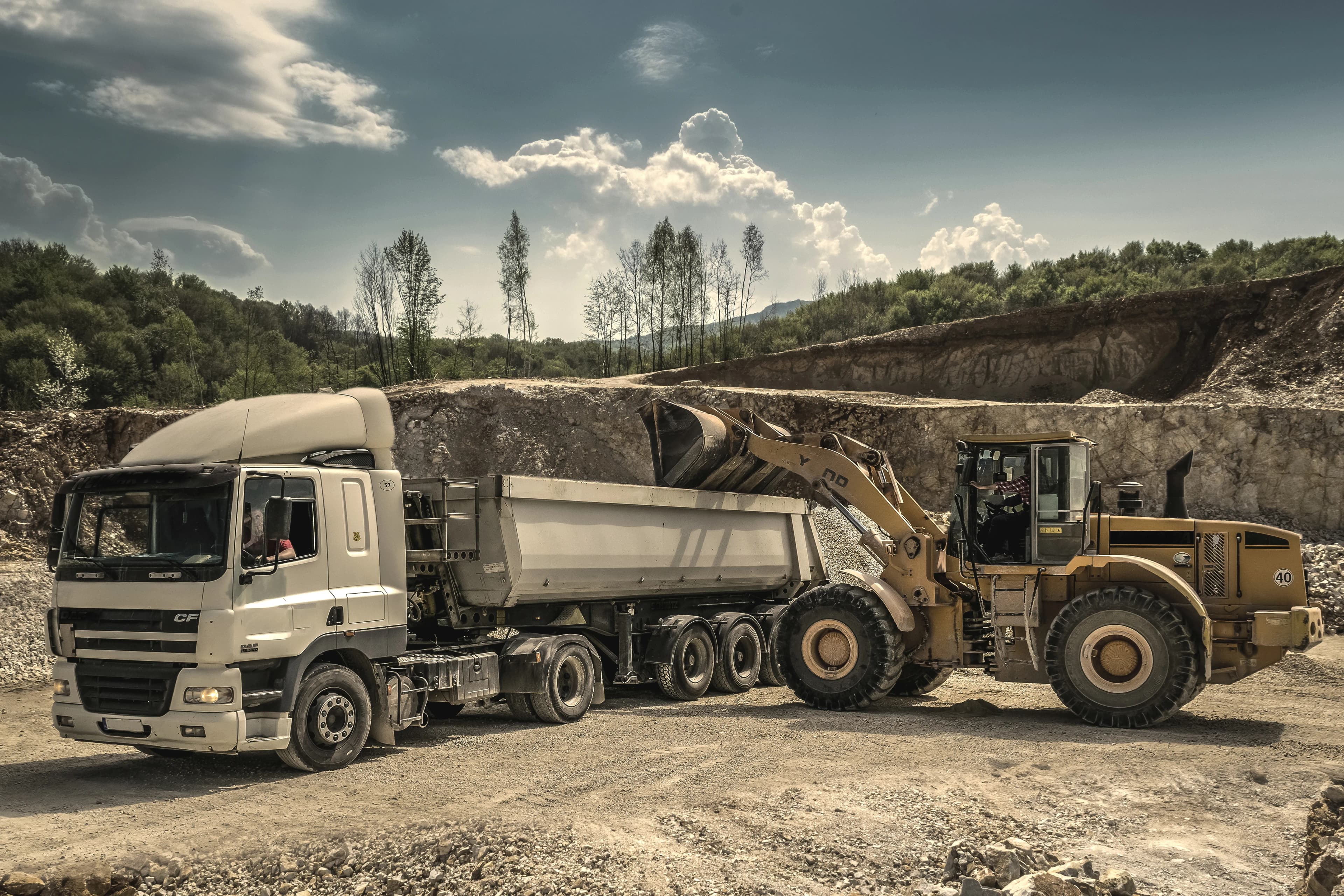
Industrial bulk plants require high-displacement pumps for consistent, reliable emulsion transfer.
System Design & Installation Best Practices
Inlet Straining & Filtration
Bulk tanks accumulate rust, scale, and solid debris over time. Install a 150-micron strainer on the pump inlet to protect gears from damage. Clean or replace strainers at each preventive maintenance cycle. Fine filtration (75–100 micron) extends gear life in high-use operations.
Discharge Line Sizing
Size discharge hoses and fittings for the expected flow rate. Undersized lines create backpressure, forcing the pump to work harder and generating heat. As a rule of thumb, maintain discharge velocity < 8 feet per second (check with hose suppliers for specific sizing). For a PA300S at 158 GPM, a 3-inch discharge line is typical.
Temperature Management
Winter operation: Cold emulsions increase motor load. Heated lines or immersion heaters warm the bulk tank, reducing viscosity to pumpable range without degrading product quality. Summer operation: High ambient temperatures can overheat the emulsion if stored in dark tanks. Shade cloth or cooling systems maintain product stability.
Pressure Relief & Safety Valves
Install a pressure relief valve set 10–20% above the system’s maximum operating pressure. This protects the pump from overpressure if discharge lines become blocked. Keep the setting within the pump’s rated limit.
Check Valves & Reverse Flow
A check valve prevents backflow when the pump shuts down, maintaining prime in the discharge line. Gear pumps can operate in reverse for system flushing without damage: useful for cleaning emulsion residue before switching to different products.
Material Compatibility
Use stainless steel discharge piping in outdoor mining environments. Carbon steel hoses and fittings corrode rapidly in coastal salt spray. Stainless hose fittings and clamps prevent galvanic corrosion and extend system life.
Preventive Maintenance & Troubleshooting
Quarterly Maintenance Schedule
- Visual Inspection: Check for external weeping around shaft seal or housing. Minor seepage is normal; puddles indicate seal replacement needed.
- Inlet Strainer: Clean or replace strainer element.
- Noise & Vibration: Listen for grinding or unusual sounds indicating gear wear. Compare pump vibration to baseline: increased vibration suggests bearing or gear wear.
- Hose & Fitting Integrity: Inspect for cracks, weeping, or corrosion. Replace any deteriorated hoses.
Troubleshooting Common Problems
Low Flow Output: Check inlet strainer for blockage. Verify pump is primed (no air in inlet line). If strainer is clean and priming is correct, gears are likely worn and require kit replacement. See gear pump basics for diagnostic details.
Excessive Noise or Grinding: Stop immediately and inspect for inlet strainer blockage (cavitation causes noise). If strainer is clear, the pump likely has internal damage or foreign material in the housing. Drain, disassemble, and inspect gears and housing.
External Leakage: Check high- and low-pressure seal condition. Minor weeping is acceptable; steady dripping indicates seal replacement: both seal sets come in every NAPCO repair kit. If seals are sound, investigate housing cracks or fitting tightness.
Difficulty Priming: Air in inlet line prevents priming. Fill the inlet manifold with emulsion before starting. Prime plugs (if equipped) allow filling and air purging before operation. Check for inlet leaks on the suction side of the pump.
FAQ
Why are rotary gear pumps ideal for emulsion explosives transfer?
Emulsion explosives require consistent flow to maintain uniform product quality and avoid settling or separation of ingredients. Rotary gear pumps provide positive displacement, handling viscous emulsions without shear degradation. High- and low-pressure seals contain the fluid, and stainless steel construction (PA-S models) resists ammonium nitrate corrosion. Bi-directional capability allows reverse-flow cleanup without equipment shutdown.
What are the viscosity challenges in explosives manufacturing?
Emulsion explosives viscosity varies with temperature, ingredient proportions, and sensitization additives. Gear pumps handle this wide viscosity range with near-constant flow regardless of viscosity or pressure.
Should I choose ductile iron or stainless steel for explosives applications?
Stainless steel (PA-S, PK-S models) is the standard choice for emulsion explosives: ammonium nitrate-based emulsions are corrosive to ductile iron, and stainless steel resists attack from the emulsion itself as well as salt spray and mining runoff. Ductile iron (PA-C, PK-C models) is cost-effective for non-corrosive mining support fluids such as fuel oil, lubricants, and waste oil. When the pumped fluid contains ammonium nitrate, choose stainless.
How does field serviceability impact mining operations?
Mining sites operate in remote locations far from service centers. NAPCO repair kits (PK200, PK300 series) enable on-site gear and seal replacement without factory shipping. Field serviceability minimizes unplanned downtime and keeps load trucks operating during peak blasting season. Stock kits at mine sites for rapid turnaround.
What flow rates are typical for explosives loading trucks?
Typical ANFO and emulsion loading trucks use 30–80 GPM systems depending on truck size and load cycle time. The stainless PA300S at 158 GPM handles bulk plant filling and truck loading efficiently. The PA200S at 69 GPM suits smaller batch operations or skid-mounted equipment. Size the system for your actual discharge pressure.
Related Technical Resources
- Explosives & Mining Industry Solutions
- Pumping Ammonium Nitrate Emulsion & ANFO
- Bulk Emulsion Products: Types, Delivery, and Transfer
- What is a Rotary Gear Pump? Technical Fundamentals
- How to Size a Rotary Gear Pump for Your Application
- PA300C Ductile Iron Pump Specifications
- PA300S Stainless Steel Pump Specifications
- PA200C Ductile Iron Pump Specifications
- NAPCO Repair Kits & Field Service Options
- Pump Repairs & Maintenance
- Engineering & Technical Support
Need Consultation on Explosives or Mining Pump Selection?
NAPCO’s engineering team has over 30 years of experience in explosives manufacturing and mining operations. We understand the challenges of remote sites, harsh environments, and the critical importance of field serviceability. Contact us with your application details (location, bulk tank volume, target fill rate, environmental conditions) and we’ll recommend the optimal pump, material, and support package for your operation.