Technical Resource
Pump Repair Kits vs. Full Replacement: Cost Analysis and Decision Guide
The Rebuild vs. Replace Decision: A Strategic Framework
When a rotary gear pump begins to show signs of wear (declining flow rate, increased noise, or seal leakage), facility managers face a critical decision: invest in a repair kit rebuild or purchase a new pump? This choice has profound financial implications, spanning not only the direct cost of parts but also production downtime, labor, and operational risk.
The rebuild-versus-replace decision depends on three primary factors: the extent of pump damage, the cost differential between repair and replacement, and the availability of a replacement unit. Understanding these factors enables informed capital planning and optimizes pump lifecycle value.
This guide provides a practical framework for evaluating this decision, including cost analysis, downtime comparison, and guidance on what’s included in NAPCO repair kits to restore pumps to like-new performance.
When to Rebuild: Identifying Candidates for Repair Kit Service
Rebuild with a repair kit when the pump housing is structurally sound but internal wear components have degraded. Typical candidates for repair kit rebuilds include:
Seal Leakage and Dripping
The most common failure mode is seal degradation. Primary and secondary seals wear, leading to visible fluid dripping around the pump shaft area. Seal failure does not damage the pump housing or gears; replacement of seal sets alone often restores performance. A NAPCO repair kit addresses this by including both primary and secondary seal sets matched to your pump model.
Decision Rule: If leakage is the primary symptom and the pump otherwise operates normally, rebuild with a repair kit. A typical rebuild runs about 30–50% less than a replacement pump.
Reduced Flow Within Normal Wear Parameters
Gear pumps naturally experience some flow decline over time as gear tooth surfaces wear, reducing compression and allowing internal slippage. If flow remains within specification limits or functional for your process, the pump is still serviceable.
However, if flow has declined beyond your process requirements (e.g., a 20% drop reduces filling line throughput unacceptably), a repair kit rebuild with new gear assemblies restores flow to original capacity. The pump housing remains unchanged; new internal components restore performance.
Decision Rule: If flow decline is the issue and the housing is intact, a repair kit restoration makes economic sense. Replace if flow decline is accompanied by housing damage or corrosion.
Increased Noise and Vibration
Bearing wear in the pump shaft and gear shafts can cause increased noise and vibration after extended service. Worn bearings allow excess play between rotating components, creating gear mesh noise. Replacement of bearings (included in NAPCO repair kits) eliminates this issue.
Decision Rule: If noise and vibration began gradually and the pump is otherwise functional, a repair kit rebuild restores quiet operation. If noise began suddenly (indicating a crack or internal damage), replace the pump.
When to Replace: Failures Beyond Repair Kit Scope
Replace the pump (rather than rebuild) when damage extends to the pump housing. These failures cannot be corrected with internal component replacement alone and warrant full unit replacement.
Cracked or Fractured Housing
A cracked housing is catastrophic and cannot be field-repaired. Cracks typically occur due to freezing (fluid left in pump over winter expands and splits the housing), cavitation damage (low inlet pressure causes vapor bubbles that implode and erode the housing), or impact damage. Once a housing cracks, fluid leaks externally at the crack location and the pump cannot maintain pressure.
Decision Rule: If the housing is cracked, replace the pump immediately. Repair kit components cannot address structural failure.
Corrosion Pitting in Housing
Extensive pitting corrosion (common in stainless steel pumps exposed to chloride environments) weakens the housing structure. Localized pitting may be manageable, but widespread pitting across the housing reduces structural integrity and increases risk of catastrophic failure. Once pitting is advanced, a new pump investment is preferable for reliability.
Decision Rule: Light surface pitting can be tolerated; deep pitting across large areas warrants replacement. Consult NAPCO engineering for severity assessment.
Obsolete Model or Discontinued Parts
NAPCO has produced rotary gear pumps since the mid-1990s. Some models are no longer in production, and repair kits for discontinued models may become unavailable. If a repair kit for your pump model is out of stock or discontinued, replacement with a modern pump is the practical solution.
Decision Rule: If repair kit availability is uncertain, contact NAPCO engineering before committing to a replacement decision. We may still have kits in inventory or be able to source components.
What is Included in a NAPCO Repair Kit?
A complete NAPCO repair kit contains all wear components necessary to restore a pump to like-new condition. Factory-matched kits eliminate the guesswork of sourcing individual components and guarantee compatibility and performance.
Primary Components
Seal Sets (4 High-Pressure + 4 Low-Pressure): The kit includes four high-pressure seals and four low-pressure seals, Viton elastomers for superior fluid compatibility and durability. Seal sets are the most frequently replaced components and the main reason for pump rebuilds.
Drive and Idler Gear Assemblies (1 each): Both gear assemblies are included, each with the elastomer gear (nitrile standard, Viton optional) pre-mounted on its shaft: induction-hardened stainless steel shafts in S kits, ductile iron shafts in C kits. Factory-matched assemblies ensure proper tooth profile and mesh alignment.
Roller Bearings (4): Roller bearings support both gear shafts and maintain runout tolerance. Replacing all four eliminates noise and restores smooth operation.
Cover-Bolt O-Rings (4): Four PB43 o-rings for the cover bolts.
Center Case Gaskets (5)
The kit includes five center case gaskets, two at .016 inch and three at .008 inch thickness, used to seal the case and set correct internal clearance during reassembly. Using fresh gaskets during rebuild is critical to prevent fluid leakage at assembly joints.
Why Factory-Matched Kits Matter
NAPCO repair kits are engineered for exact fit in NAPCO pumps. Gear tooth profiles, seal cavity dimensions, and bearing tolerances are precision-matched to your specific pump model (PA200 vs. PA300, ductile vs. stainless). Generic aftermarket kits, while cheaper, often contain oversized or undersized components that fit poorly, causing:
- Excessive gear mesh noise and vibration
- Seal leakage due to improper cavity fit
- Reduced flow capacity from improper gear dimensions
- Premature bearing wear from loose tolerances
NAPCO’s warranty requires the use of genuine NAPCO replacement parts.
Cost Comparison: Repair Kit Rebuild vs. New Pump
The financial case for repair kit rebuilds is straightforward. A typical rebuild runs about 30–50% less than buying a replacement pump, with additional downstream benefits in reduced downtime and facility disruption.
Direct Cost Comparison
Approved rebuild economics: 30–50% cheaper than a new pump. You keep the installed housing and piping. Done on-site with standard hand tools.
Labor and Installation Costs
Field rebuild labor is 2–5 hours for a trained technician. Installation of a new pump requires not only technician labor but also site preparation, piping modification, pressure testing, and commissioning. Rebuild labor is substantially less.
Labor Advantage: Rebuild.
Lifecycle Value Over 12 Years
Consider a facility operating 10 identical pumps over a 12-year period. Under normal wear conditions, each pump experiences one major rebuild around year 6–8. Using a rebuild strategy:
Rebuild scenario (10 pumps, 1 rebuild per pump over 12 years): keep the installed housing and piping. Each rebuild runs about 30–50% less than buying a replacement pump and finishes on-site in 2–5 hours.
Replace-at-failure scenario: order a new pump, wait out its lead time, re-pipe, and re-align. Lead times vary. Please contact us for current lead times. Emergency downtime is the larger cost, not just the unit price.
Downtime Comparison: Field Rebuild vs. Full Replacement
Beyond cost, downtime is often the decisive factor. A field rebuild takes hours; a full replacement can take weeks.
Field Rebuild Timeline
A typical field rebuild using a NAPCO repair kit follows this timeline:
- Hour 0–0.5: Isolate pump, drain fluid, disconnect inlet/discharge lines
- Hour 0.5–1.5: Remove housing bolts, separate pump halves, remove internal components
- Hour 1.5–2.5: Clean internal cavities, inspect housing and shaft for damage
- Hour 2.5–3: Install new seal sets, gear assemblies, bearings, and center case gaskets
- Hour 3–3.5: Reassemble pump, reconnect piping, fill with fresh fluid
- Hour 3.5–4: Pressure test, run-in at low RPM, monitor for leaks
Total Downtime: typically 2–5 hours (2–4 hours for PA200-series, 2–5 hours for PA300-series: a single shift).
Full Replacement Timeline
Replacing a pump with a new unit involves additional delays:
- Order: Identify compatible new pump model, place order
- Lead time: Lead times vary. Please contact us for current lead times.
- Delivery: Receive pump, inspect for shipping damage
- Install: Remove failed pump, install new pump, piping work, pressure testing, commissioning
Total Downtime: lead time plus installation, or more. Lead times vary. Please contact us for current lead times.
Preventive Maintenance: Extending Pump Life and Minimizing Repairs
While repair kit rebuilds are cost-effective, the best strategy is preventive maintenance to extend pump life and reduce failures altogether.
Regular Inspection and Monitoring
Establish a routine inspection schedule: monthly visual checks for fluid leaks, noise changes, or vibration increases. Track flow rate monthly and pressure drops over time. Early detection of seal wear (visible drips) allows planned rebuilds during scheduled maintenance windows, avoiding emergency downtime.
Fluid Quality Management
Pump fluid quality dramatically affects seal life and internal wear. Maintain proper fluid filtration (150–250 micron inlet strainer), monitor viscosity (stays within specification). Contaminated or viscosity-drifted fluid accelerates seal degradation and gear wear.
Thermal Management
Excessive pump operating temperature accelerates seal degradation. Install temperature gauges on pump discharge and monitor for heat issues. If temperature trends upward, investigate for inadequate cooling or system restriction.
Scheduled Field Maintenance Guide
Consult NAPCO’s field maintenance guide for detailed procedures on seal inspection, bearing auditing, and preventive component replacement. This guide helps facility technicians identify wear patterns and plan repairs proactively.
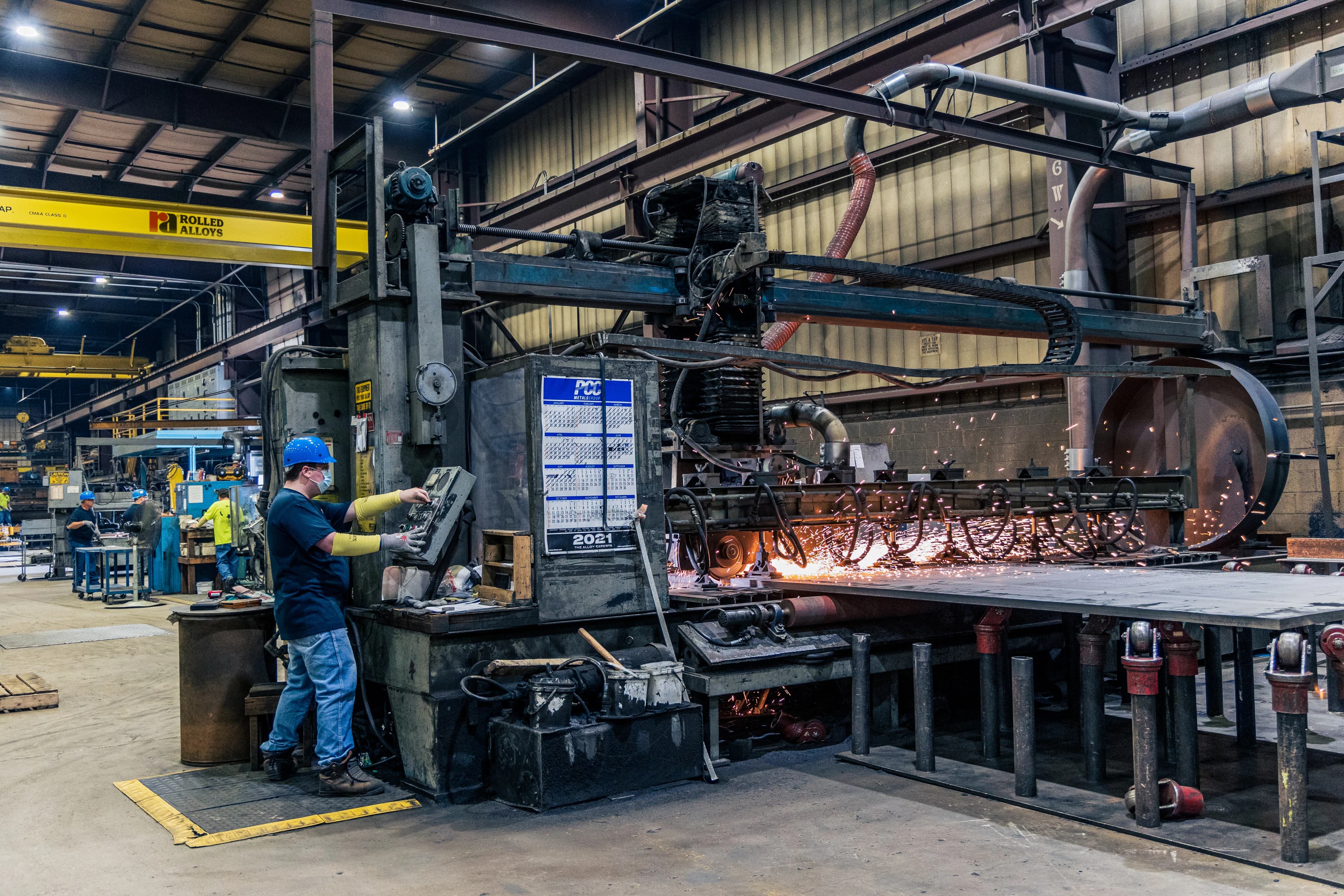
Proper preventive maintenance and regular equipment inspection extend pump service life and help avoid costly replacements.
Related Technical Resources
Explore these additional resources to support pump maintenance and repair planning:
Ready to Evaluate Your Pump Repair or Replacement Options?
Send NAPCO photos or a description of your pump condition, including flow rate, pressure, noise symptoms, and leak locations. Our engineering team will assess whether a repair kit rebuild is suitable or recommend replacement, and provide a cost estimate for either path forward.